FDA Combination Product Inspection

FDA combination product inspections evaluate how manufacturers control applicable drug, device, or biological product constituent parts. Inspectors may assess the CGMP requirements under 21 CFR Part 4 and the regulations governing each constituent part. Teams must explain how quality responsibilities connect across relevant design, manufacturing, testing, complaints, investigations, and CAPA activities. Former FDA experts help identify inspection risks before they disrupt operations or expose gaps between quality systems. Through focused FDA consulting, we assess applicable requirements, challenge documentation, and strengthen cross-functional inspection readiness. A mock FDA inspection can test employee responses, record retrieval, facility controls, and evidence trails under realistic pressure. Our goal is simple: help your organization demonstrate clear responsibilities, consistent execution, and control across the combination product lifecycle. We focus on practical, defensible preparation that reflects how your product operates.
Why Combination Product Inspections Need Dual Expertise
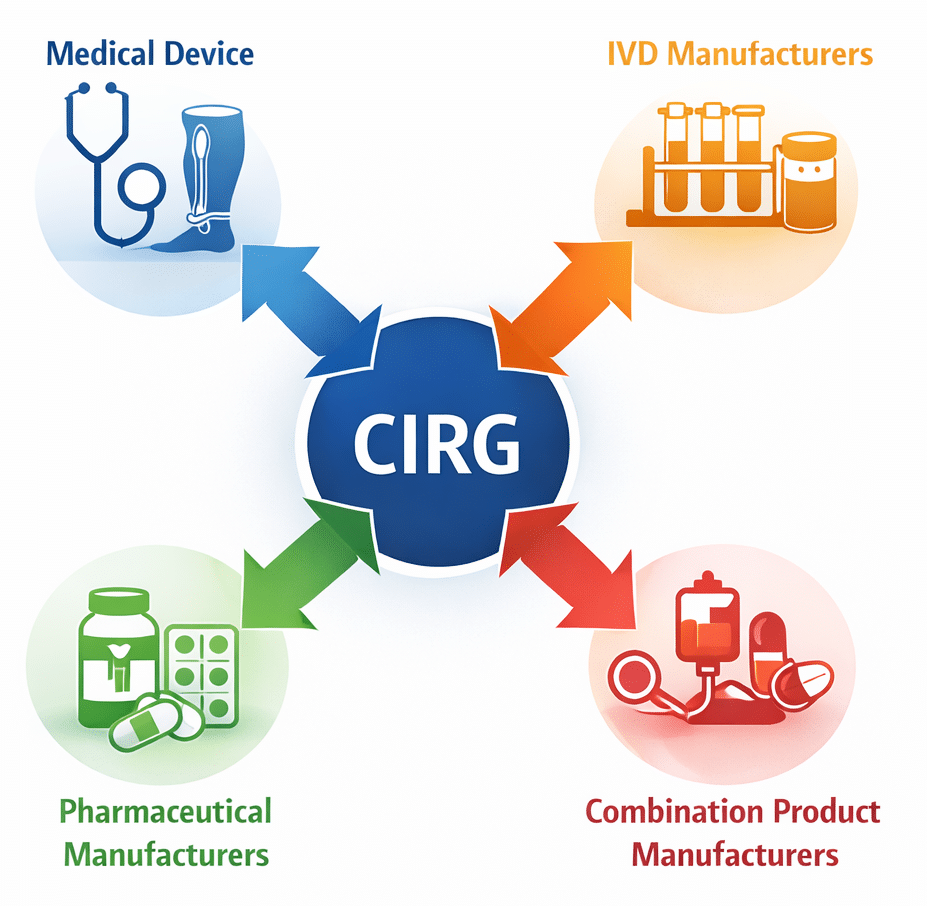
Combination products unite drug, device, and sometimes biological constituent parts within one regulated product. Each part brings different manufacturing controls, records, risks, and inspection questions. FDA may examine how those elements work together throughout the product lifecycle. A drug specialist can miss device design controls, usability concerns, or equipment issues. Likewise, a device specialist may overlook laboratory controls, stability programs, or drug production risks. Our former FDA consultant understands both regulatory frameworks and connects them through one practical strategy. Integrated FDA consulting reduces handoffs, conflicting advice, and unnecessary duplication across your teams. A mock FDA inspection then tests the complete operation from both perspectives. Investigators may follow problems across quality systems, suppliers, complaints, deviations, and corrective actions. Dual expertise helps your team answer those questions without gaps or confusion. You gain clearer priorities, stronger preparation, and one expert for inspection.
One FDA Consultant for Drug and Device Requirements
Hiring separate drug and device consultants can increase cost, meetings, and coordination. Different advisers may interpret one issue from narrow viewpoints. That split can create inconsistent priorities or leave important connections unexplored. Our former FDA consultant brings expertise across drug manufacturing and medical device quality requirements. One expert can trace a concern through processes, records, suppliers, and product performance. This approach keeps your inspection strategy consistent through preparation. Focused FDA consulting also helps leadership spend resources on the highest regulatory risks. A mock FDA inspection checks whether both systems support the same compliant outcome. Your teams receive coordinated questions, practical feedback, and one prioritized action plan. Clear ownership speeds decisions and reduces repeated explanations between outside specialists. You still involve internal experts when technical depth requires them. However, one lead keeps every workstream aligned, efficient, and ready for FDA scrutiny.
Align Both Sides of Your Quality System
Manufacturers must connect drug controls with device quality management requirements. FDA’s Part 4 framework explains compliance across constituent parts. Since February 2026, the device framework uses FDA’s Quality Management System Regulation. Your procedures should reflect obligations, product risks, and your operating model. Teams must connect responsibilities across design, production, laboratory, packaging, and release activities. Experienced FDA consulting maps those connections and remove conflicting instructions or duplicated controls. A mock FDA inspection tests whether employees follow the integrated system consistently. Reviewers should examine change control, supplier oversight, deviations, complaints, risk management, and corrective actions. Strong links between records help investigators understand decisions and verify effective control. Weak links can create questions that neither department owns nor answers confidently. One former FDA expert can evaluate both perspectives and maintain a unified compliance strategy. That clarity supports faster responses and stronger inspection readiness.
Identify Compliance Gaps Through FDA Consulting
Compliance gaps often hide where drug and device processes intersect. Pressure points include design changes, suppliers, specifications, validation, complaints, and corrective actions. Teams may manage each activity well while missing risks between departments. Our FDA consulting review follows information across systems, records, owners, and decisions. This approach reveals conflicting procedures, incomplete handoffs, and weak traceability. A mock FDA inspection challenges connections through realistic requests and interviews. Consultants compare written procedures with actual practices on the manufacturing floor. They also test whether investigations address root causes, product impact, and recurring trends. Clear findings help leadership prioritize patient and compliance risks. Practical recommendations should fit your operations and strengthen sustainable control. One former FDA expert can assess drug and device concerns together. You avoid fragmented reports and competing remediation plans. Instead, your team receives one roadmap for closing gaps before the FDA arrives.
Test Both Systems With a Mock FDA Inspection
A mock FDA inspection tests your combined quality system under realistic pressure. The exercise covers drug controls, device requirements, and connections between parts. Consultants request records, interview employees, tour operations, and trace issues. Strong FDA consulting shapes scenarios around your products, processes, history, and risks. Participants locate documents quickly and explain decisions with supporting evidence. Observers note inconsistent answers, slow retrieval, procedural gaps, and weak escalation pathways. Afterward, your team receives prioritized findings and corrective actions. Leaders assign owners, deadlines, and evidence before the actual inspection. Repeating difficult scenarios builds confidence without encouraging scripted or misleading responses. Employees learn to answer accurately, directly, and only within their responsibilities. One former FDA expert evaluates drug and device performance together. This integrated test saves coordination and exposes cross-system weaknesses. The result gives management a realistic view of readiness before the FDA arrives.
Prepare Your Team for FDA Inspection Day
Inspection day requires disciplined communication, document control, and confident subject experts. Your front room manages requests, timing, copies, and response tracking. Back room reviewers confirm accuracy before teams release records or answers. FDA consulting defines roles, escalation paths, briefings, and inspection conduct. A mock FDA inspection lets employees practice responsibilities under pressure. Subject experts should answer each question truthfully, directly, and within their knowledge. They should avoid guessing, arguing, volunteering unrelated information, or using rehearsed language. Escorts observe activities carefully and communicate new requests quickly. Document coordinators preserve version control and record everything the FDA receives. Leadership addresses concerns without disrupting operations or creating inconsistent messages. One former FDA expert can coach drug and device teams together. This shared preparation reduces confusion when questions cross quality system boundaries. Your organization enters inspection day organized and ready to support every answer with evidence.
Maintain Compliance After the Inspection
Inspection readiness continues after investigators leave your facility. Leaders should debrief, preserve notes, and confirm requests or commitments. If the FDA issues observations, evaluate each carefully before planning corrections. Your response should explain corrections, root causes, impact, remediation, ownership, and dates. FDA consulting connects drug and device concerns within one evidence-based strategy. A mock FDA inspection can test whether completed actions work in practice. Teams should verify effectiveness instead of closing actions after revisions alone. Trend complaints, deviations, failures, supplier issues, and corrective actions across systems. Management reviews should track progress, risks, and evidence supporting control. Training must reflect updated procedures and actual job responsibilities. One former FDA expert can challenge remediation from both perspectives. This oversight reduces departmental gaps and supports consistent follow-through. Ongoing preparation keeps your facility ready for future surveillance, follow-up, or other FDA inspections.